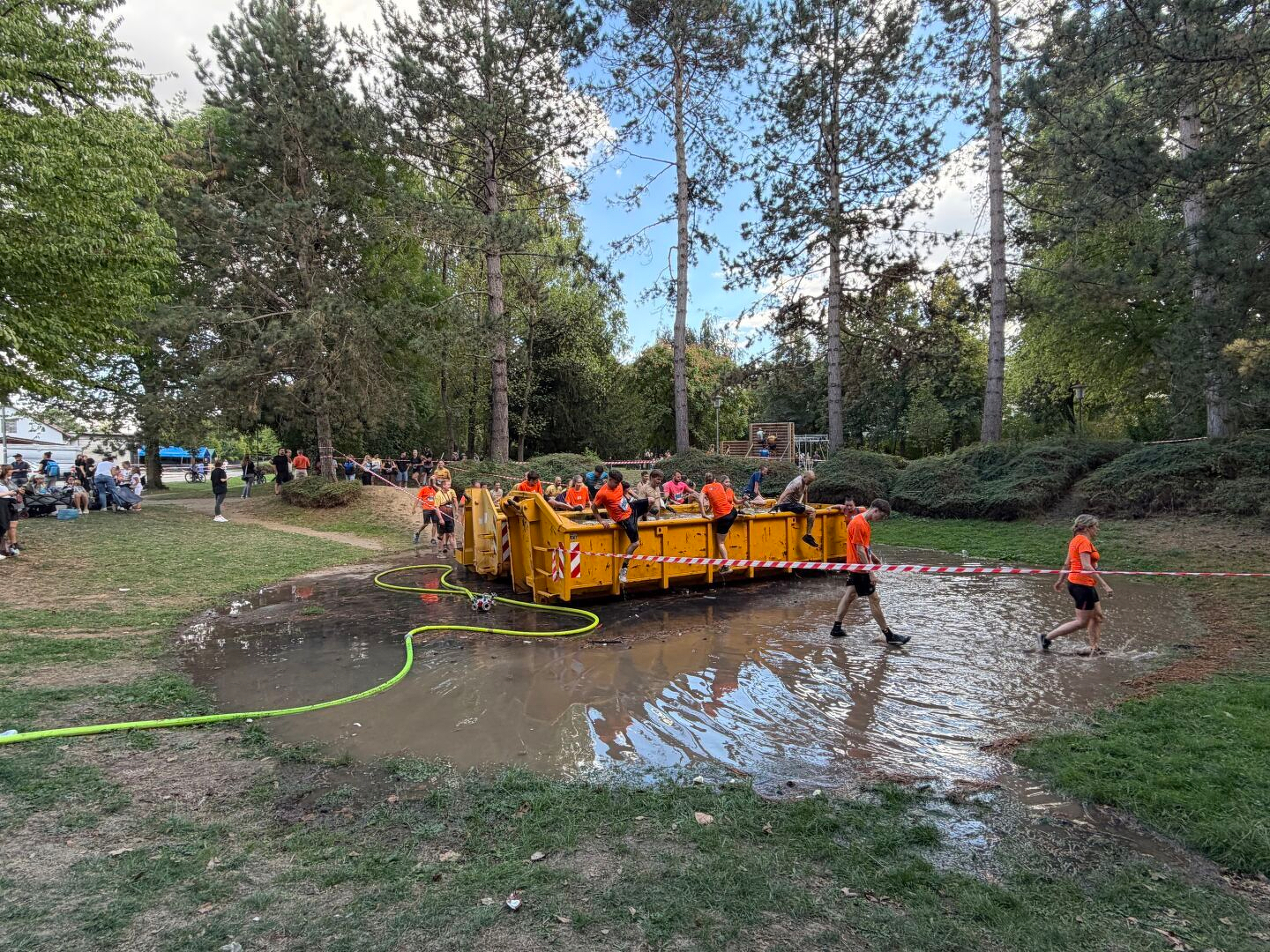
#MotormanRun 2026
#MotormanRun 2026
Beim Autofahren, Taste für Siri drücken: Ich: „Eine Nachricht an meine Frau!“ Siri: „Was möchtest Du ihr sagen?“ Ich: „Ich fahre auf dem Heimweg noch kurz zu IKEA.“ Siri: „die Ikea App kann das nicht“ Ich: „WTF?“
Die Eventseite hat jetzt auch eine eigene Domain bekommen und lebt nun unter knapp-verpasst.de/de/index….
Yesterday I wrote about four checks of mine that couldn’t fail, and ended on a policy I’d been drafting about disclosing AI assistance. This is that story, and its unexpected sequel: writing the policy exposed a hole underneath it, and closing the hole took a hardware token, a subdomain, and a surprising amount of reading about a file format from 1998. The thing I hadn’t said I contribute to a few upstream projects — packaging, bug reports, the occasional fix.
since www.micro.blog integrates it in a very easy way, this blog is now also available on Bluesky: bsky.app/profile/w…
Last time the theme was that the loudest thing is usually not the broken thing. Today’s is the quiet cousin of that: four things that were supposed to tell me something told me nothing, and did it convincingly enough that I believed them. None of them were bugs in the ordinary sense. The code did what it said. What failed was the machinery I had built to find out whether the code did what it said — which is a worse category, because wrong code eventually announces itself, while a wrong check makes you confident.

Finished reading: The Phoenix Project by Gene Kim 📚
A lot of times I could relate to the protagonists life in IT. Altogether the story was a bit to good to be true and it feels like a lot of parts are missing. Still, especially managers should read this book and even with the current cloud and AI hype it contains a lot of truths about how IT could work.
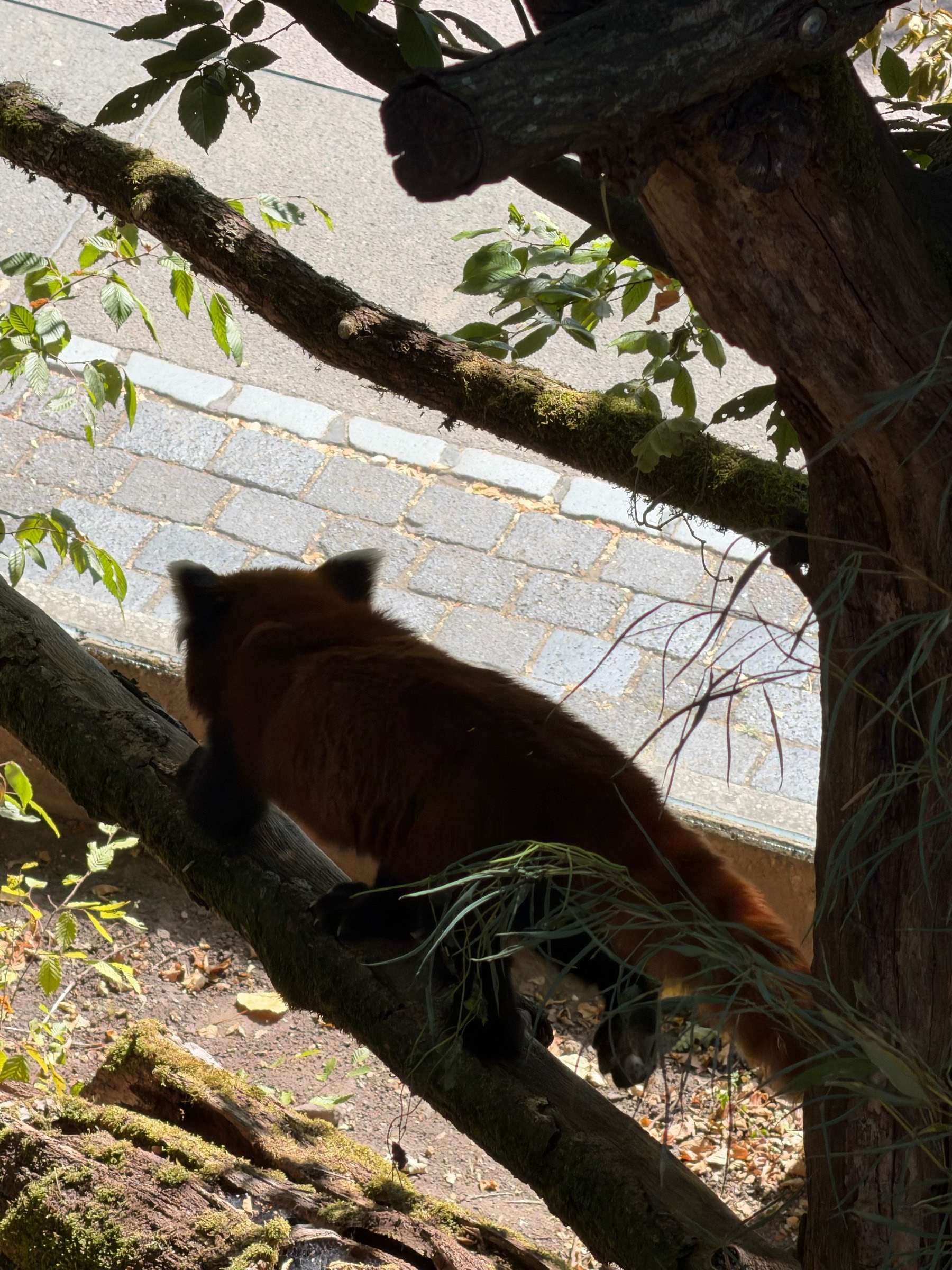
Roter Panda aka Firefox im Tierpark Nürnberg



Playmobil Land bei Nürnberg
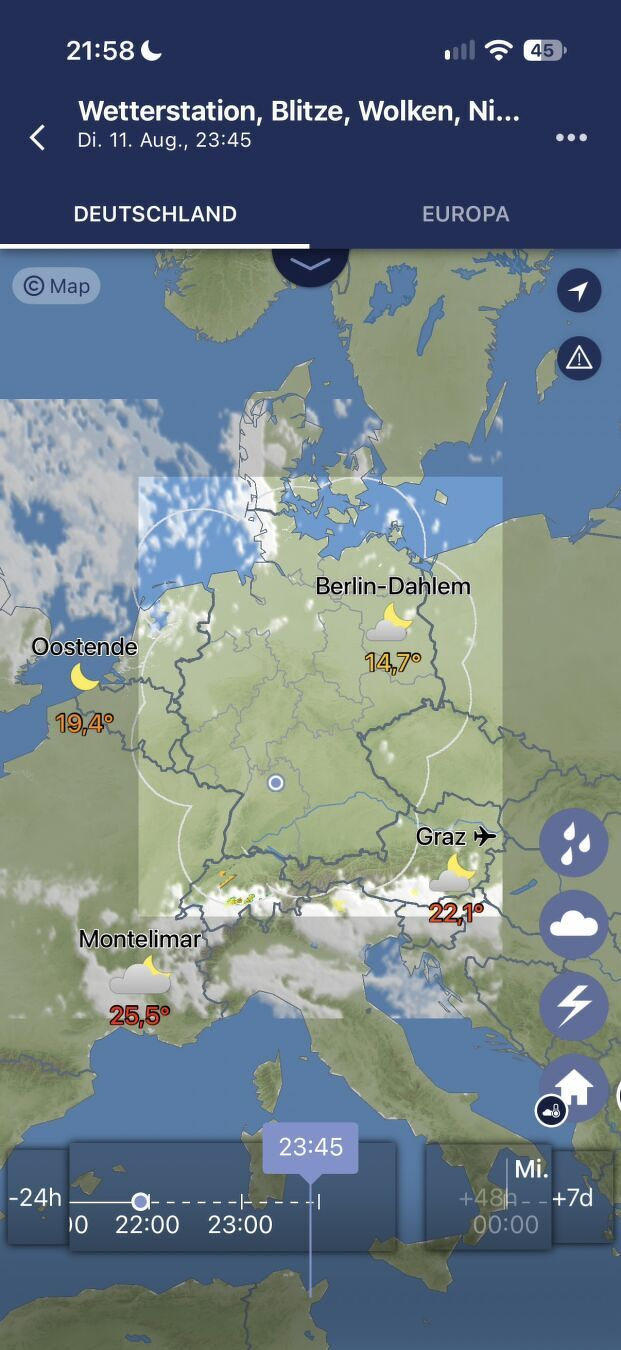
Quasi keine Wolken über Deutschland, seit Tagen